The noble Field Spaniel — bred for field, born for home.
Welcome to the most complete living archive of the Field Spaniel. Elegant, intelligent, comically sweet — the rarest spaniel that hunts like a poet and cuddles like a shadow. Discover field-bred lines, training secrets and everyday magic.

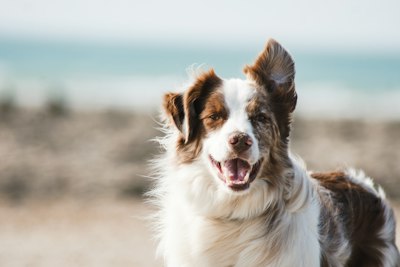
Field-bred • liver & tan
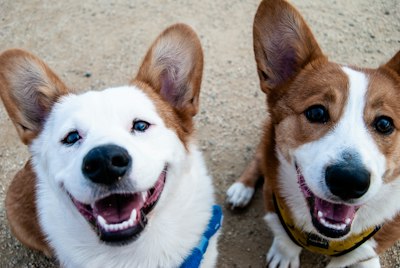
2,400+ owners love them
Not just a spaniel.
A philosophy on four legs.
“The Field Spaniel is the thinking person’s spaniel — substantial, steady, and endlessly affectionate.”
Fieldbredspaniel.com was created by owners, hunters, and preservation breeders who fell for the breed’s paradox: a medium-large, low-slung flushing dog that is both a serious upland worker and a couch philosopher. Longer than tall, with a glossy liver, black or golden-roan coat and feathered elegance, the Field Spaniel moves with unhurried power.
Unlike hyper show Cockers or frantic Springers, a well-bred Field is moderate in everything except devotion. Field-bred lines — our obsession — preserve birdiness, soft mouth, natural quartering and that famous “Field humor”: talking, grumbling, and leaning their whole weight into you.
Preserve working type
We map health-tested, field-proven pedigrees so the breed stays functional, not just beautiful. Hip, elbow, eye and thyroid testing is non-negotiable.
Honest ownership guide
No sugar-coating: separation anxiety, grooming needs, and bird-drive realities. If a Field fits you, you’ll know — and never look back.
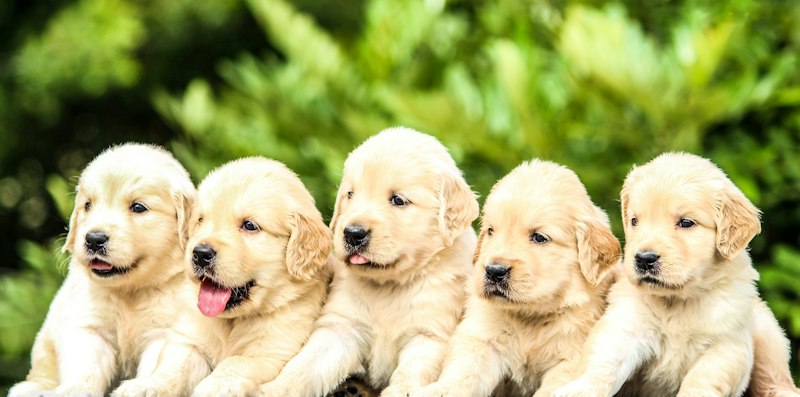
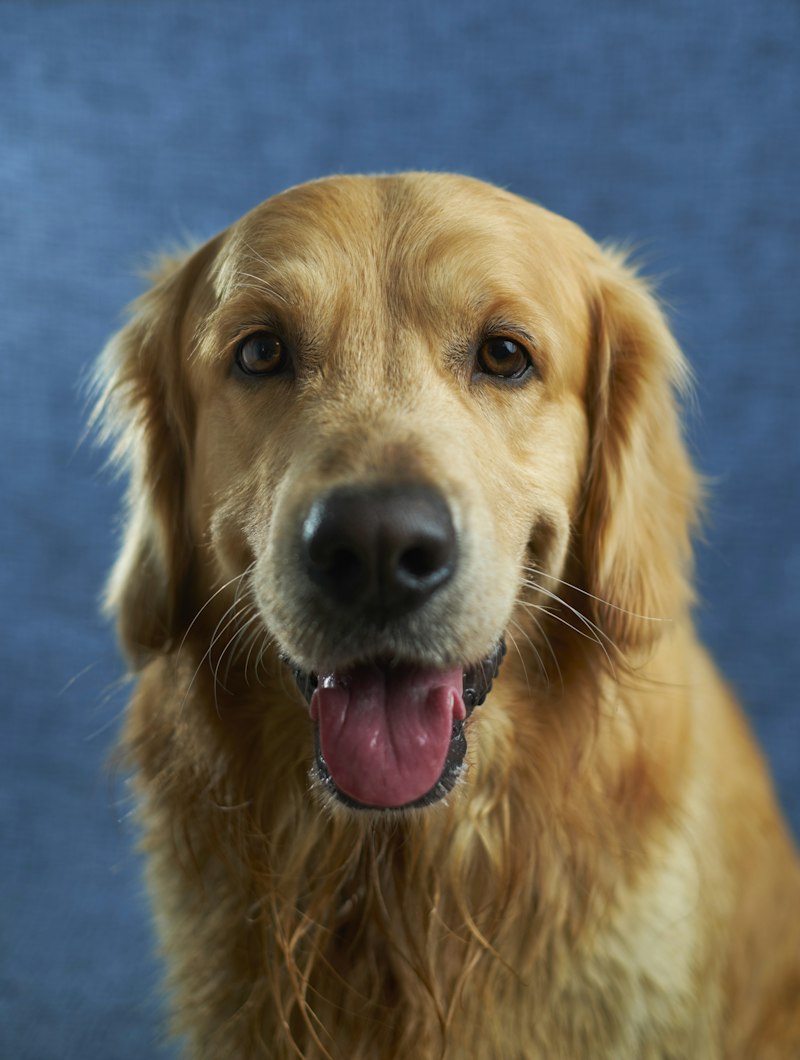
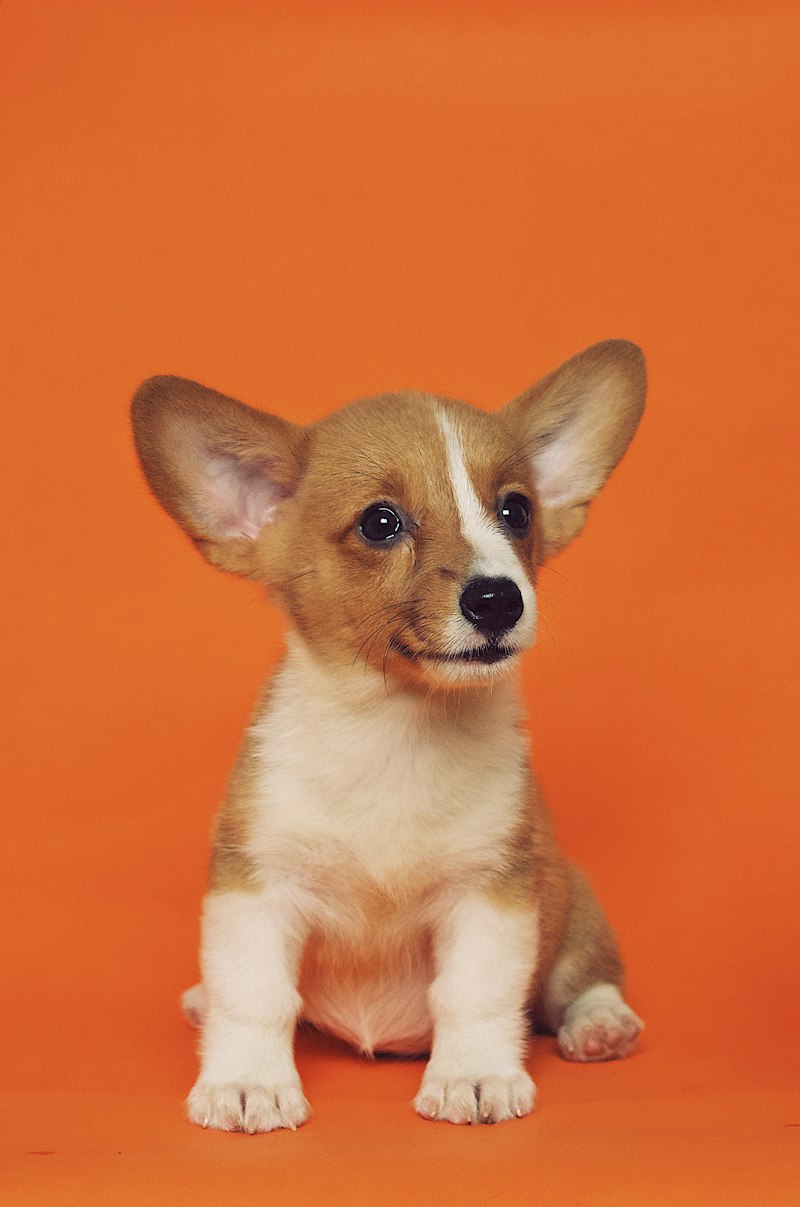
Field-bred vs show-bred?
Field-bred Fields are slightly leaner, tighter-coated, with higher bird drive and endurance. Show lines are heavier-boned and calmer. Both are wonderful — but if you hunt, hike, or do nosework, ask for proven working parents. See training →
From Victorian shooting fields to your sofa
 Origin story
Bred to be the perfect all-rounder
In mid-1800s England, sportsmen wanted a spaniel larger than the Cocker but smaller than the Springer — low, strong, able to push through dense bramble and retrieve tenderly. Crosses of Sussex, Cocker and Springer types gave us the Field.
By 1892 the Kennel Club separated them. Then fashion nearly killed them: black, long, low dogs fell out of favor. Dedicated fanciers saved the breed in the 20th century — today every Field alive owes them everything.
Stories from the archive1850s — The big black spaniels
Weighing 25+ kg, used for both flushing and retrieving on large estates. Called simply “Field Spaniels” for where they worked.
1892 — Official recognition
Breed standard written. Ideal: 18–25 kg, 46 cm, glossy straight coat, noble head, docile expression.
1940s — Near extinction
WWII leaves only a handful. The Mortray and Elgert lines restart the breed with careful outcross discipline.
1990s — American revival
Field Spaniel Society of America pushes health testing and hunting tests. Numbers slowly climb.
2025 — The field-bred renaissance
New generation of hunters rediscovers the Field as a close-working, biddable, quiet upland star. This site documents that revival.
Gentle clown, serious hunter
Velcro soul
Follows you room to room. Leans, sighs, talks. Needs togetherness — not a kennel dog.
Soft & smart
Learns fast, shuts down with harshness. Positive, game-based training unlocks genius.
Steady athlete
Hour-plus exercise + mental work. Calm indoors if worked — bouncy if bored.
Birdy nose
Will quarter, flush and retrieve by instinct. Recall must be trained as a lifestyle.
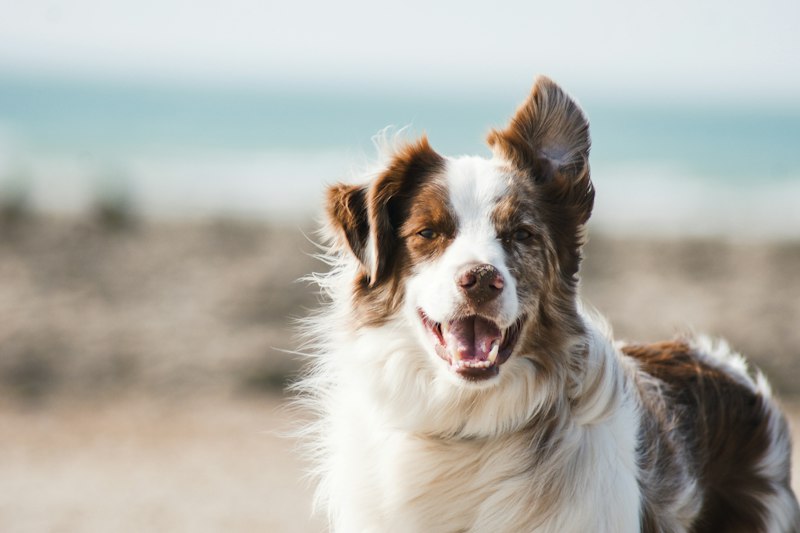
With kids & pets
Patient, silly, tolerant. Best with respectful kids. Cats OK if raised together; birds — well, it’s a bird dog. Supervise and train “leave it”.

Voice & guarding
Moderate barkers, excellent watchdogs, terrible guard dogs — they’d show the burglar where treats are. Early socialization prevents shyness.
Coat & colors
Liver, black, blue roan, liver roan. Silky, water-repellent, feathered ears, chest, belly. Weekly brushing keeps mats away.
How to keep a Field thriving
The silky maintenance ritual
Brush 2–3× weekly with slicker + comb, trim feathering and hocks every 6–8 weeks. Clean pendant ears weekly — spaniel ears trap moisture. Bath every 4–6 weeks with mild shampoo. Nails, teeth, paw balm in hunting season.
- Tools: slicker, steel comb, thinning shears, ear cleaner
- Shedding: moderate, worse in spring — deshedding rake helps
- Pro tip: “field cut” — shorter belly feathering for burr country
Robust, but test
Generally healthy 12–14 years. Watch: hip dysplasia, hypothyroidism, ear infections, eye issues (cataracts, PRA), allergies. Demand OFA hips/elbows, CERF eyes, thyroid panel from breeder.
- Weight: keep lean — extra kilos kill joints
- Vet: annual thyroid + ear check
- Insurance: highly recommended for spaniels
Fuel for nose & coat
High-quality protein 26–30%, omega-3 for coat, joint support (glucosamine). 2 meals/day: ~1,200–1,600 kcal depending on work. No free-feeding — Fields love food a bit too much.
90 minutes of purpose
Morning sniff walk 30 min + evening retrieve / quartering drills + 2× week off-leash run. Add nosework, dock diving, or hunting tests. A tired Field is an angel.
House & apartment?
Best with garden, possible in apartment if exercised religiously. Needs human proximity — suffers with long alone hours. Crate-train early, teach settle on mat.
Train soft, hunt hard
Foundation: name, recall, settle
100 tiny wins daily. Hand-feed for eye contact. Recall = party (never punish coming). Crate = den, not jail. Socialize: 100 people, 50 dogs, traffic, water, gunfire at distance.
Field games
Quartering with two dummies, “hup” (sit to flush), soft-mouth retrieves, place board steadiness. Keep sessions 5 min, always end wanting more. No e-collar pressure early — Fields wilt.
Steady to wing & shot
Introduce pigeons, blank pistol at 100m → closer. Honor another dog’s point. Water retrieves in summer. Test in AKC Spaniel Hunt Tests or BASC working days.
3 golden rules from field-bred trainers
- Never repeat “come” twice — go get the dog, reward, restart.
- Let them use nose — 10 min sniffing = 30 min walking.
- Quit while ahead — one perfect retrieve beats ten sloppy ones.
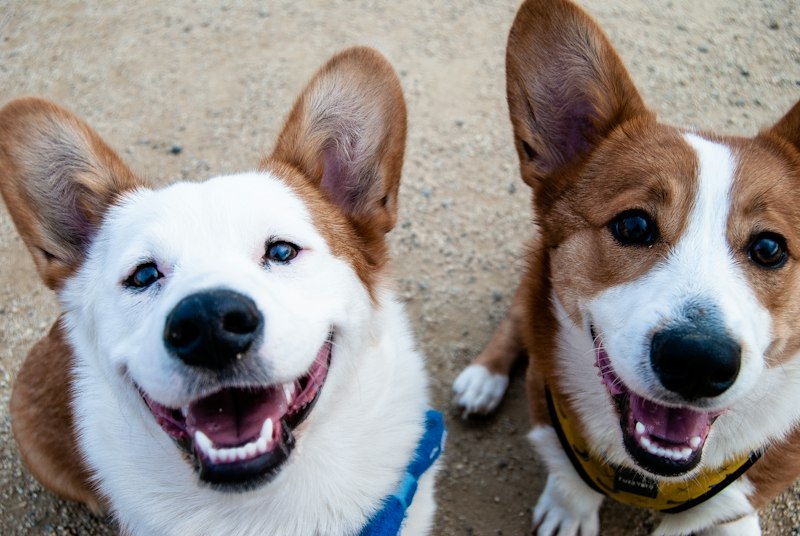
Silk, muscle & muddy paws

Latest news & guides
Training diaries, health explainers, breeder interviews and gear tests — fresh from the field. Click any story to open its full page.
How to choose a field-bred puppy
Meet both parents, ask for hunt test scores, health certificates, and a take-back guarantee. Avoid “rare colors” marketing — temperament first.
Ask checklistEar care: the weekly 5-minute ritual
Lift, sniff, wipe, dry. How to prevent the #1 spaniel vet visit with cleaner + cotton, not Q-tips.
Learn careRecall that survives pheasants
Long line → whistle → jackpot reward. The 4-week protocol our trainers use for bird-obsessed adolescents.
Start todayQuestions every future Field owner asks
Straight answers, no breeder-speak. Still unsure? Write to us below — a real spaniel human replies within a day.
Are Field Spaniels good for first-time owners?
Yes, if you’re active and home often. They’re softer and more forgiving than working Cockers, but need training consistency and grooming commitment. Better than a Springer for calm households.
How big do they get? Apartment possible?
Males 20–25 kg, females 18–23 kg, ~43–48 cm. Apartment life works with 90 min daily exercise + mental enrichment. They are quiet indoors compared to other spaniels.
Do they get along with cats?
Usually yes when raised together and taught boundaries. Their chase instinct is for birds, not necessarily cats, but always introduce slowly and never leave unsupervised early on.
Field Spaniel vs English Cocker vs Springer?
Field = middle ground: calmer than Springer, larger and steadier than Cocker, rarer than both. Best “off-switch” of the three, superb nose, slightly more grooming than Springer.
How much does a puppy cost?
$1,800–$3,500 from health-tested parents in US/UK. Rarity + small litters (4–6 pups) keeps prices firm. Beware cheap “field spaniel mix” ads — ask for pedigree and health tests.
What’s the biggest mistake new owners make?
Under-exercising the nose. A 20-minute fetch isn’t enough — they need scent work, quartering games and free sniffing. Second mistake: harsh corrections. Fields shut down; play-based training wins.
Join the Field pack
Get our free 28-page PDF: “Field-Bred Puppy Checklist + 4-Week Recall Plan”. One thoughtful email per month. No spam, ever.
Copy-paste questions to ask
- Can I meet dam (and sire)? What do they hunt / compete in?
- Show OFA hips, elbows, eyes, thyroid — by name, not “vet checked”.
- How do you socialize pups? ENS, sounds, car, birds?
- Take-back contract for life? How many litters per year?
- Why this pairing? What temperament are you breeding for?